
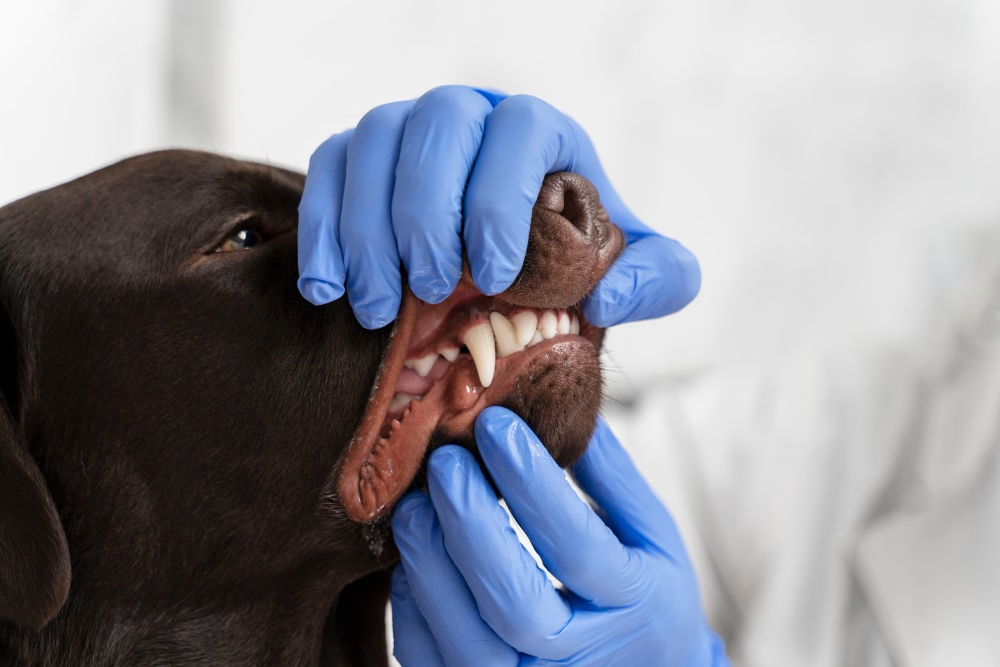
Bad breath is easy to dismiss. Most pet owners chalk it up to “dog breath” or assume it’s just part of having a cat, something to live with rather than something to treat. But according to the American Veterinary Medical Association, periodontal disease affects nearly 80% of dogs and 70% of cats by the time they turn three years old (AVMA, 2026). That’s not a minor issue affecting a handful of pets. It’s the norm, and it’s largely preventable.
What makes periodontal disease tricky is that most of it happens where you can’t see it. The visible symptoms, bad breath, a bit of yellowing on the teeth, don’t tell the full story. Below the gumline, bacteria can be working on the structures that hold teeth in place, and over time this can lead to bone loss, tooth mobility, and infection that doesn’t stay contained to the mouth.
Research published through the Merck Veterinary Manual notes that periodontal disease involves infection and inflammation of the periodontium, with key signs including gingival recession, periodontal pocketing, bone loss, and eventual tooth loss (Merck Veterinary Manual). It’s graded on a scale, and the earlier it’s caught, the less invasive the treatment tends to be.
Cats face their own version of this problem, and in some ways it’s more hidden. The 2025 Feline Oral Health and Dental Care Guidelines report gingival inflammation in up to 96% of cats in some studies (AVMA, 2025). Cats are notoriously good at masking pain, which means an owner might not notice anything is wrong until the disease has progressed significantly.
The good news, and there is good news here, is that prevention is both effective and cost-efficient. A widely cited industry analysis found that preventive dental care costs roughly a third of what it costs to treat dental disease once it has already developed. Daily toothbrushing is the gold standard, but even brushing a few times a week makes a measurable difference, alongside annual professional cleanings that reach below the gumline where a toothbrush can’t.
If you’ve noticed your pet’s breath has gotten worse, or you can’t remember the last time they had a professional cleaning, it’s worth a conversation with your veterinarian. Catching dental disease early is almost always easier, cheaper, and less stressful for your pet than treating it after the fact.
At Vet For Pet Animal Hospital, our pet dental care services include full oral exams, professional cleanings, and dental X-rays to catch problems that aren’t visible from the outside. If it’s been a while since your pet’s last cleaning, call us at (860) 519-1519 - East Hartford or (860) 519-1519 - Hamden to schedule an exam.